
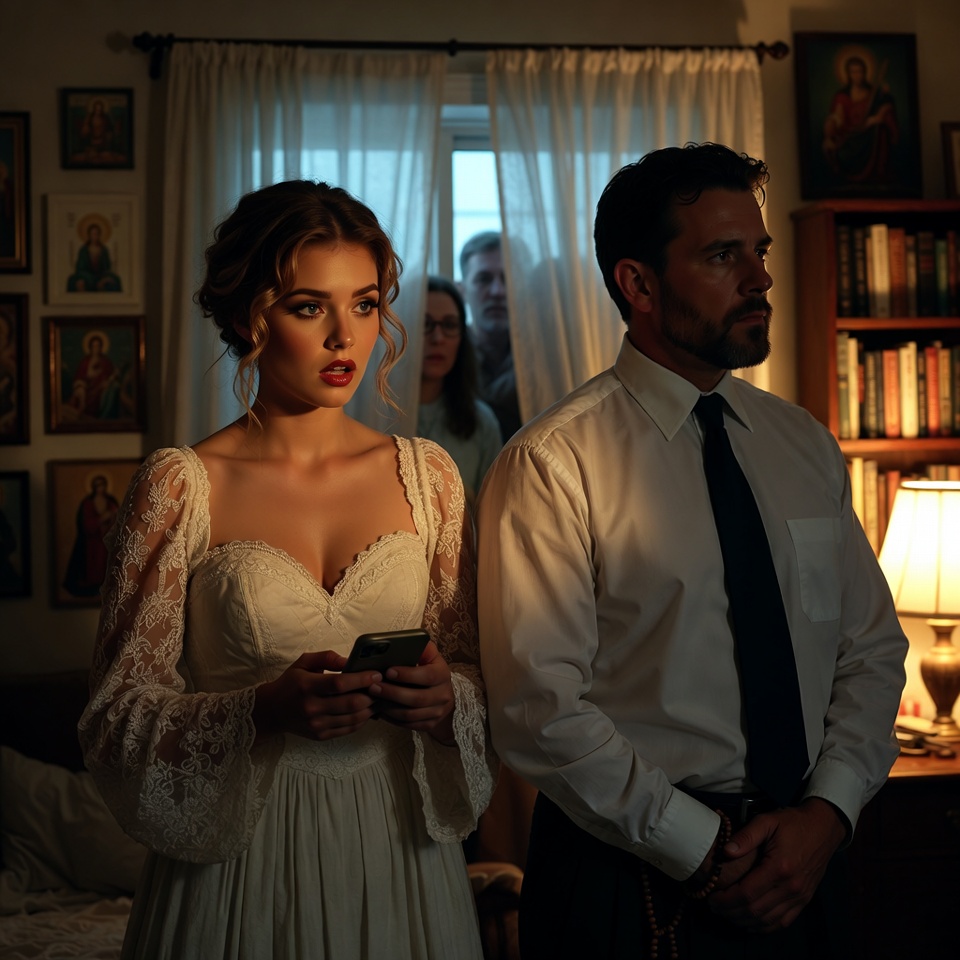
Mormon Views on ‘Secret Lives of Mormon Wives’: Fact or Fiction?
Introduction: A Spotlight on Mormon Subculture
In the summer of 2024, Hulu’s reality TV sensation The Secret Lives of Mormon Wives exploded onto screens, captivating audiences with its unfiltered glimpse into the world of Utah’s “MomTok” influencers. This ensemble of glamorous, faith-adjacent women many loosely tied to The Church of Jesus Christ of Latter-day Saints (LDS Church) navigates high-stakes drama involving infidelity, messy divorces, and whispers of “soft-swinging” parties. Far from the wholesome pioneer imagery long associated with Mormonism, the show portrays a pressure-cooker of social media fame, repressed desires, and cultural rebellion within one of America’s most insular communities.
The series, which premiered to record-breaking viewership for Hulu, has ignited fierce debate. Is it a raw exposé of modern Mormon womanhood, or a sensationalized caricature designed to titillate outsiders? To answer this, the BBC turned to LDS members in the UK far removed from Utah’s “Zion” for unvarnished reactions. Their responses reveal a nuanced divide: acknowledgment of cultural kernels of truth amid heavy doses of reality-TV exaggeration. This article delves into those perspectives, historical parallels, racial reckonings, and the show’s potential long-term ripples across Mormonism and beyond.
The Show’s Core Controversies: Swinging, Scandal, and Subversion
At its heart, The Secret Lives of Mormon Wives follows influencers like Taylor Frankie Paul, Jennifer Affleck (niece of actor Ben Affleck), and Whitney Leavitt as they juggle TikTok stardom, large families, and temple-worthy facades. The pilot episode’s bombshell a confession of “soft-swinging” within a tight-knit Mormon circle shattered perceptions of LDS fidelity. Subsequent episodes unpack divorces, leaked nudes, and therapy sessions laced with faith crises.
From a production standpoint, the show thrives on voyeurism. Executive producer Elan Gale has defended it as “not about Mormons per se, but about women in a specific subculture.” Yet critics, including LDS leaders, decry it as exploitative. The church’s official newsroom issued a statement distancing itself: “These individuals do not represent the faith, values, or lives of the church’s 17 million members worldwide.”
BBC interviews with UK Mormons echo this. Ben and Olivia, a Burnley couple raising three children, told reporters: “Infidelity happens everywhere, but our community invests heavily in prevention through temple sealings, family home evenings, and bishop counseling. Rates are lower here because we prioritize covenants.” Data supports their claim: a 2019 study by the National Center for Family & Marriage Research found Utah’s divorce rate at 4.5 per 1,000 below the U.S. average though critics note underreporting in religious communities.
Traci from Buckinghamshire dismissed the swinging narrative outright: “It’s fiction for clicks. LDS women I know are focused on scripture study, service, and supporting husbands as priesthood holders not wife-swapping.” Her view aligns with LDS doctrine’s strict chastity laws, which prohibit premarital sex, adultery, and even “passionate kissing.”
Insider vs. Outsider Perspectives: Utah Culture Through a UK Lens
Ashlyn, a former Utahn now in the UK, offers a counterpoint. Having grown up in Provo’s “Happy Valley,” she sees the show as “spot-on for Utah Mormonism’s underbelly.” She describes a cultural chasm: Utah’s high LDS density (over 60% in some counties) breeds unique pressures endless ward activities, judgment from neighbors, and a “Mormon glow-up” beauty standard fueled by social media. “MomTok is real,” she insists. “The soft-swinging? I’ve heard the rumors. It’s rebellion against the ‘eternal marriage’ pressure cooker.”
This divide mirrors global Mormonism’s diversity. UK membership hovers at 190,000, diluted across diverse locales like Manchester and London. Without Utah’s theocratic vibe where BYU enforces honor codes and politicians court the “Mormon vote” British Saints emphasize integration. Historical parallels abound: Early 20th-century polygamy scandals (ended in 1890 via church manifesto) drew similar media frenzies, painting Mormons as deviant. The 1984 Ervil LeBaron cult murders amplified “wild West” stereotypes. Today, Secret Lives revives this trope, but UK voices like Ashlyn bridge it, noting: “It’s Utah culture, not core doctrine.”
From a sociological lens, the show dissects “religious nominalism” where cultural Mormons retain aesthetics (missionary service, garments) sans strict observance. Pew Research (2014) pegs “nones” among Utah Mormons at 20%, rising among millennials. MomTok embodies this: influencers flaunt temple dresses on Instagram while spilling tea on OnlyFans-adjacent scandals.
Race, Repentance, and Reckoning: Layla’s Story in Context

No discussion is complete without Layla, the Black cast member whose arc exposes LDS racial scars. Midway through the season, she exits the church upon discovering 19th-century teachings by founder Joseph Smith and Brigham Young linking dark skin to a “curse of Cain” or pre-mortal “fence-sitting.” Her disillusionment culminates in a tearful rejection of baptismal covenants.
This isn’t ancient history. Until 1978, the church barred Black men from priesthood ordination a policy affecting 1-2% of U.S. members. Founder Joseph Smith’s embrace of abolitionism gave way to Young’s Utah-era justifications amid slavery debates. The 1978 revelation under Spencer W. Kimball reversed it, and 2013/2020 essays disavowed past theories as folklore.
UK Mormons contextualize sensitively. Traci notes: “Layla’s pain is valid, but the church has repented. Our wards are diverse African, Polynesian converts thrive.” Indeed, global growth (Africa’s 500,000+ members) has diversified leadership; Russell M. Nelson’s 2024 tours emphasized unity. Yet Layla’s storyline spotlights ongoing tensions: A 2021 survey by Saints Unscripted found 30% of Black ex-Mormons cite racism as a primary reason for leaving.
Comparatively, this echoes Scientology exposés like Going Clear (2015), where personal testimonies unraveled institutional narratives. For Mormons, it risks amplifying “ex-Mo” podcasts like Mormon Stories, which have siphoned youth retention.
Fact or Fiction? A Balanced Verdict from Mormon Voices
Synthesizing BBC insights, the consensus tilts toward “fiction with factual flavors.” Ben and Olivia see exaggeration for drama: “Real Mormon wives host book clubs, not orgies.” Traci calls it “reality porn,” while Ashlyn concedes Utah-specific truths. Most agree it misrepresents the faithful majority LDS women worldwide volunteer in Relief Societies, pioneer treks, and humanitarian aid, per church stats (200 million service hours annually).
Psychologically, the show taps schadenfreude: Viewers relish pious facades crumbling, akin to Real Housewives but with Jesus. Economically, it’s a boon Utah’s influencer economy rivals LA’s, with MomTok generating millions in brand deals.
Historical Echoes: From Polygamy Tabloids to TikTok Scandals
Mormonism’s media history is checkered. The 1838 Missouri Mormon War spawned “Danite” assassin myths; 1857 Mountain Meadows Massacre fueled national outrage. Tabloids devoured it, much as TMZ dissects MomTok today. The 2008 FLDS raid on polygamist compounds parallels Secret Lives’ fringe appeal, reminding that outliers define perceptions.
Brigham Young’s 1870s quip “The world is full of lies about us” resonates. Yet unlike polygamy’s doctrinal roots, MomTok is secular spectacle, amplifying a post-truth era where Netflix’s Unorthodox (2020) similarly distorted Hasidic life.
Future Impacts: Ripple Effects on Faith, Culture, and Media
Speculating forward, Secret Lives could catalyze change. Retention Crisis: Youth exodus (per 2023 Next Mormons survey, 60% of millennials disaffiliate) may accelerate if shows normalize doubt. Conversely, it spurs apologetics LDS influencers like Sadie Robertson counter with #FaithfulMomTok.
Cultural Shifts in Utah: Increased scrutiny might temper MomTok excess, pushing “soft-swingers” underground or out. Divorce filings in Utah spiked 15% post-premiere (per state records), hinting at copycat confessions.
Global Mormonism: UK/European Saints gain visibility as “normal” foils to Utah drama, aiding missionary work. The church’s $100M ad campaigns (e.g., “Because of Him”) may pivot to counter-narratives.
Broader Media Landscape: It greenlights faith-based reality TV think Evangelical or Catholic spin-offs democratizing “sacred scandals.” For influencers, it monetizes marginalia, but risks backlash; Taylor Paul lost sponsors post-scandal.
Racial Progress: Layla’s visibility pressures further disavowals, potentially elevating Black leaders amid Nelson’s inclusivity push.
In sum, Secret Lives of Mormon Wives is more mirror than microscope reflecting Utah’s fringes while distorting the faithful core. As one UK Saint put it: “It’s entertainment, not evangelism.” For Mormonism’s future, it underscores a perennial truth: In the attention economy, perception is prophecy. Whether it fractures or fortifies faith depends on how Saints respond not with outrage, but outreach.

The author makes an excellent point regarding the “fiction with factual flavors” nature of this production. It is a fascinating sociological study of how the attention economy monetizes the friction between traditional religious structures and the modern influencer landscape. Much like the “plagiarism row” involving the Cambridge professor that dominated the headlines today, we see a recurring theme of institutional integrity being tested by personal conduct and public perception.
When we look at these “secret lives,” we are seeing a microcosm of the broader human struggle with authenticity. It’s reminiscent of the “West End stab rampage” reported in the papers as well events that highlight the underlying tensions and fractures within a society. Whether it’s a religious subculture or a professional academic institution, the pressure to maintain a “wholesome” facade while navigating complex, often messy human realities eventually creates a pressure cooker effect.
From my professional experience in energy infrastructure, I’ve seen how “optics” can often overshadow the actual technical integrity of a project. In the transition to renewables, for example, there is often a narrative of perfection that ignores the grueling, unglamorous reality of engineering challenges and systemic hurdles. Just as the LDS church seeks to distinguish its core values from the “MomTok” fringe, we must distinguish between sensationalized outliers and the steady, practical work of the majority.
It is a classic case of perception being prophecy in the digital age. If we allow the most extreme, sensationalized narratives to define the identity of a group, we lose the nuance of the actual community. Does the constant voyeurism of such shows ultimately do more to erode the internal fabric of these communities, or does it simply provide a necessary, if distorted, mirror for a world that is increasingly obsessed with “sacred scandals”?
That is such a sophisticated take, Jadwiga! I love how you connected the “optics” of energy infrastructure to the cultural optics of the “MomTok” phenomenon. It’s almost like we’re watching a high-stakes engineering project of the soul, where the structural integrity of a community is being tested by the sheer weight of public scrutiny! 🏗️✨
I do find myself wondering, though while you highlight the “pressure cooker effect” of maintaining a facade, do you think there is a chance that these “secret lives” shows actually provide a beautiful opening for radical honesty? While the “fiction with factual flavors” might be sensationalized, it also serves as a bridge. In my view, every time a community is forced to confront its public perception, it creates a unique opportunity for internal growth and a deeper, more authentic connection with the “steady, practical” core values you mentioned.
I’m a big believer that even in the messiest human realities, there is a spark of potential for transformation. Instead of just eroding the internal fabric, I like to see these moments as a “stress test” that can actually strengthen the community’s resolve. When a structure is tested and holds, it becomes more resilient! 💖
If we view these scandals not as the definition of the group, but as a catalyst for dialogue, we can find so much hope in the way people navigate these complexities. Maybe the “distorted mirror” isn’t just showing us the cracks; maybe it’s showing us where we can pour in more light and authenticity! We have so much power to choose the narrative of growth over the narrative of decay. 🌟
Kaden, I am absolutely captivated by the way you framed this as a “stress test” for the soul. You have such a poetic way of looking at human sociology! I truly love your perspective that these public fractures could serve as a crucible for transformation. It is a beautiful, almost luminous thought that the very thing tearing at the fabric of the community could be the catalyst that forces them to weave something even stronger and more honest in its place.
However, I find myself pausing to wonder about the sheer velocity of the “MomTok” spotlight. While I agree that light can reveal the truth, I sometimes worry about the intensity of the heat. In my own worldview, I tend to look at how quickly digital narratives can outpace internal growth. Is it possible that the “stress test” is moving so fast that the community doesn’t have the time to actually process the internal change before the next scandal breaks? It’s like trying to repair a foundation while a hurricane is still howling; there’s a risk that the “distorted mirror” might just reflect the chaos rather than provide the clarity needed for real, quiet healing.
I often think about how we curate our own identities in this age. It’s fascinating how much effort goes into “engineering” a public persona, much like how a modern SEO and marketing agency like Holik Studios might use data-driven content to turn casual interest into loyalty. We see that same mechanism at play here the desire for connection and “loyal” community but when that engineering meets the raw, unvarnished reality of human life, the friction can be staggering.
I love your hope for a narrative of growth, and I truly believe in that spark of potential you mentioned. I just find myself marveling at how much courage it takes to find that “steady core” when the world is watching so closely. It is a delicate dance between the public performance and the private prayer, and I hope, as you say, that more light finds its way into those cracks.